
Access Hardware Deployment
FIFA World Cup 26 · Toronto Stadium
How do you get 50,000+ fans through the gates seamlessly, six matches in a row?

Project overview
My role
Electronic Access Control Lead: led turnstile deployment and managed crowd flow during operations.
The problem
Get 50,000+ spectators into the venue quickly and securely for six matches.
The solution
Partner with Skidata, the access hardware specialist behind ski resort gates, and integrate it with FIFA’s Secutix ticketing.
Timeline
60 days for full deployment and testing.
Team
10 Skidata, 1 Secutix, 12 FIFA Ticketing, 6 FIFA Field Managers and 3 City of Toronto Field IT.
Tools
Secutix, Skidata, Power BI, Excel, Word, Microsoft Teams, Linux.
01 · Unit requirements & location mapping
We used BIM mapping to compare peak spectator capacity against the stadium footprint, giving us a data-backed count of the turnstiles needed to keep lines moving.
Turnstile coordinates were plotted in the model to simulate real crowd movement and spot underground utility connections early. Alignments and regulatory standards were checked before anything shipped.
02 · Power, networking & hardware
We mapped trenching and conduit paths to feed power and data to each turnstile bank, and worked with ISPs and network engineers to set up isolated VLANs for fast, secure scanning traffic.
Units were anchored, wired and configured on-site, tested end-to-end against cloud credential databases, and stress-tested under simulated peak loads.
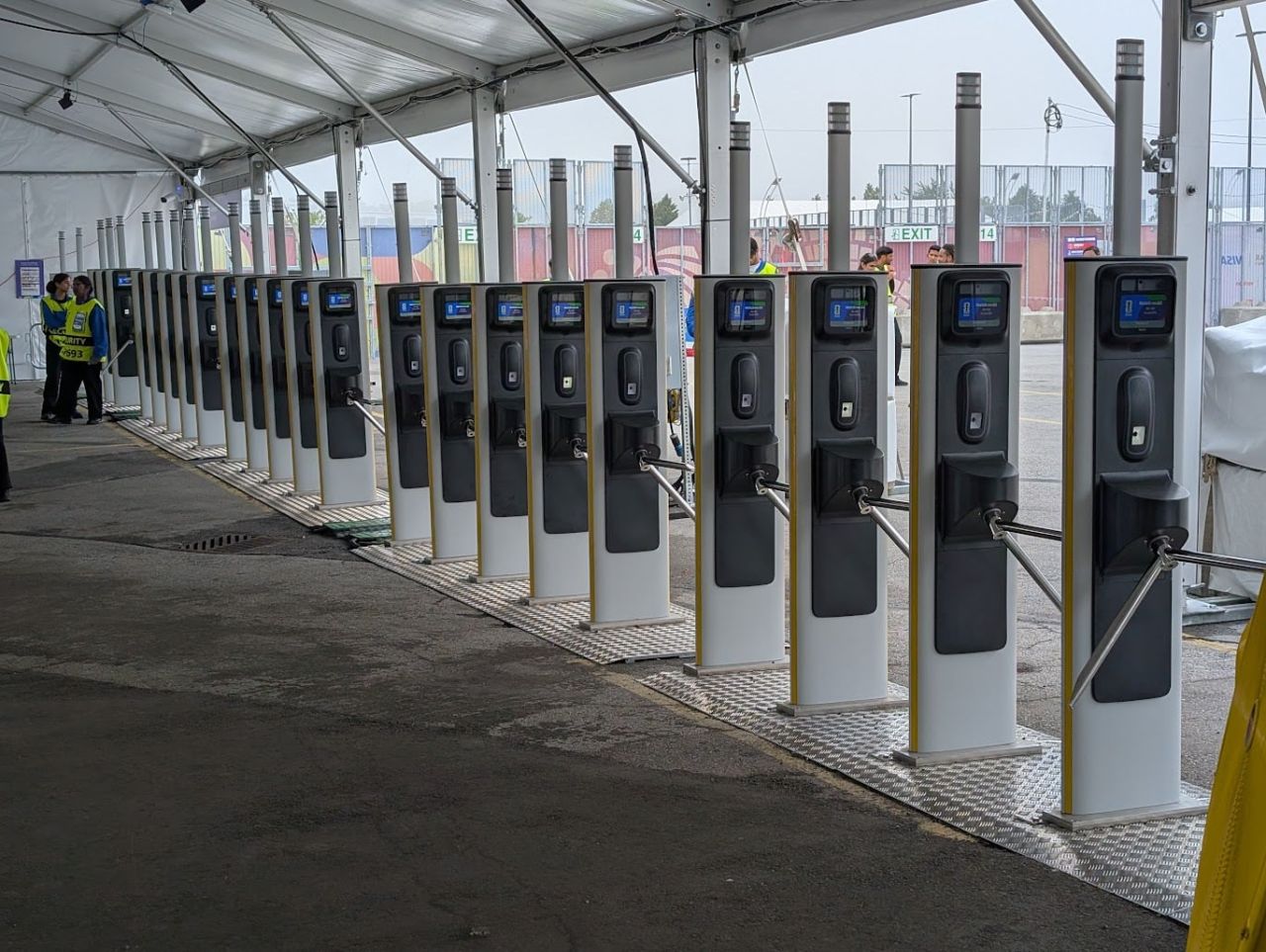
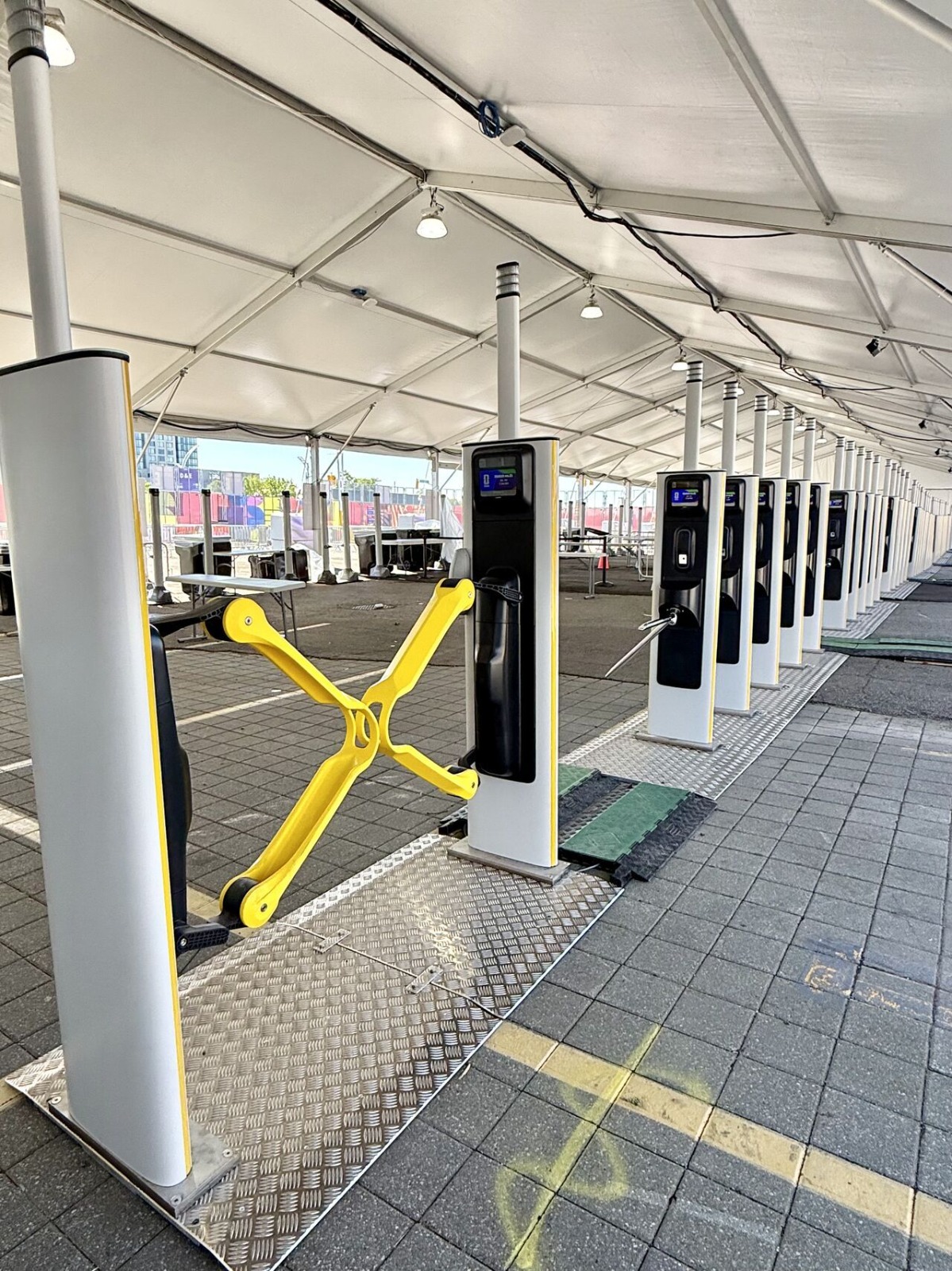
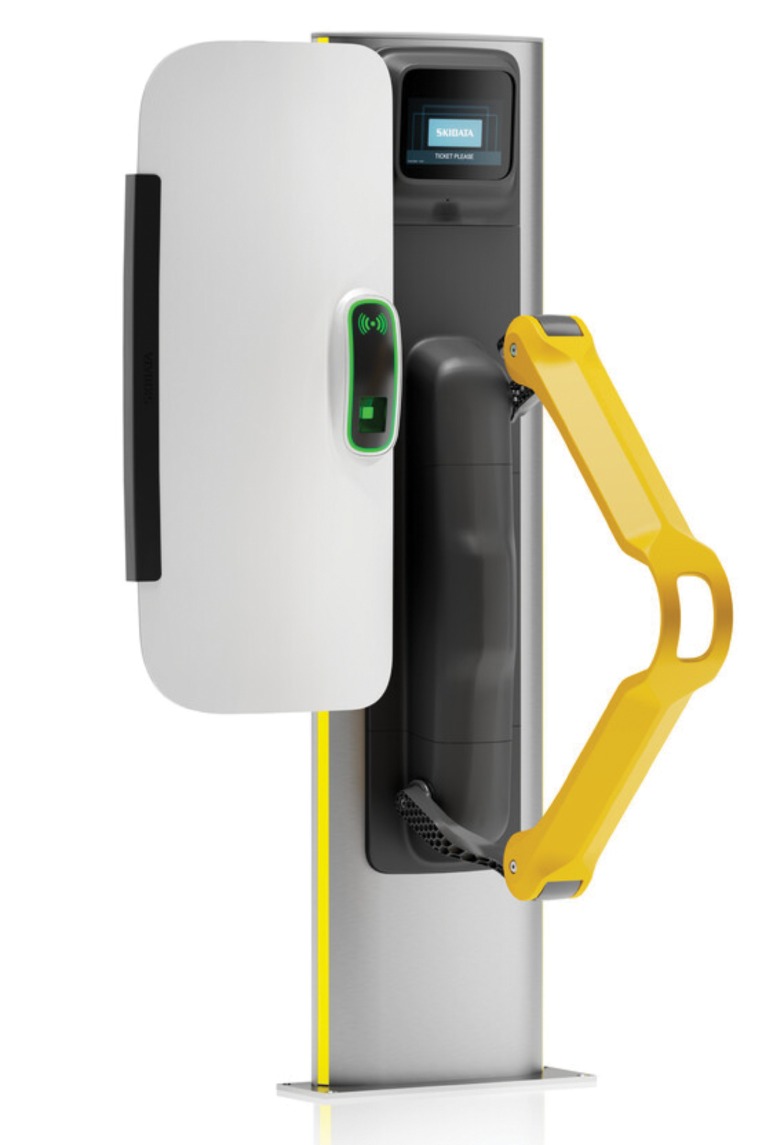
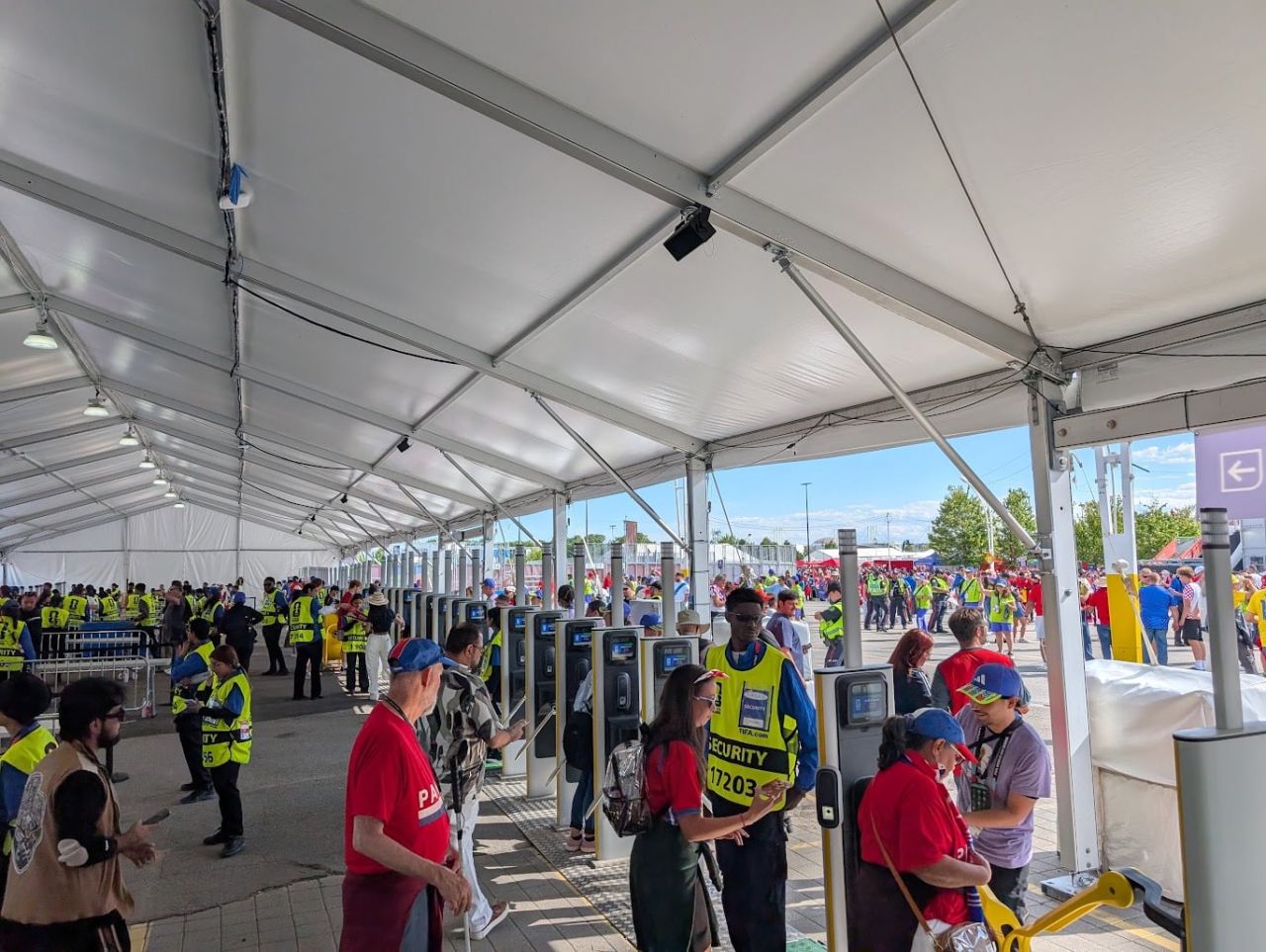
Turnstile banks
Skidata turnstiles installed under the entry canopy.
03 · Live entry validation & server communication
API fields were mapped between SECUTIX and SKIDATA so ticket states (valid, used, refunded or revoked) synced live to every gate.
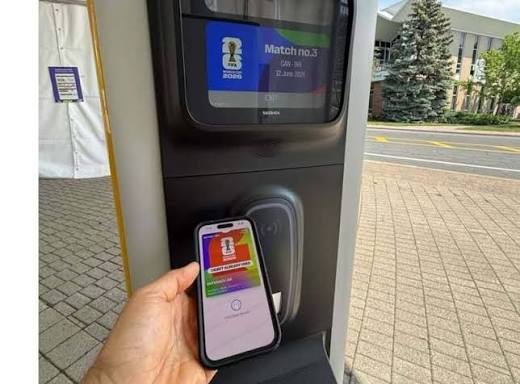
Readers decrypted barcode, QR and mobile NFC payloads and matched them against server keys. A 200 OK released the arm, and an unauthorized scan triggered an error light. Batch-scan stress tests confirmed low latency and instant duplicate-scan detection.
04 · Testing, stress simulation & bug fixes
Alongside SKIDATA and SECUTIX engineers, we simulated matchday crowd rushes and fixed bottlenecks on the spot, from ticket decryption lag to duplicate-scan glitches and signal drops.
We deliberately cut server connections to prove local caching kept gates scanning offline, tuned tailgating sensors, tested emergency drop-arm overrides, and earned official hardware sign-off.
05 · Live matchday operations
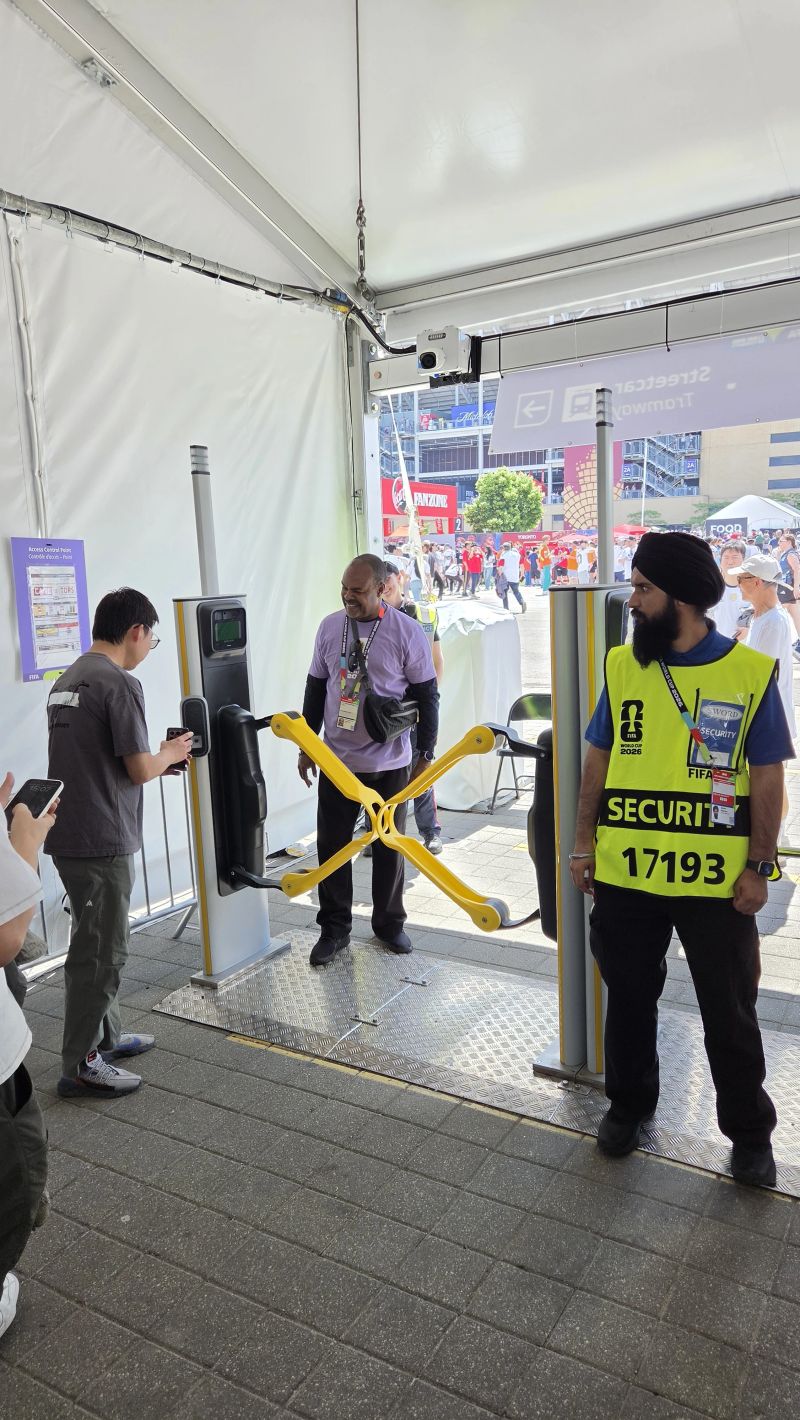
On matchday I led entry across all spectator gates and both VIP access points, working at the gates with hardware and software engineers.
Cracked screens, unreadable barcodes and API timeouts were resolved on the spot. We tracked throughput live, re-assigned gates before bottlenecks formed, and supported frontline staff with credential disputes, keeping entry uninterrupted from doors open to kickoff.
Results
0
Access points deployed
<0s
Average ticket scan time
0%
Operational readiness on schedule
0
Days from deployment to sign-off
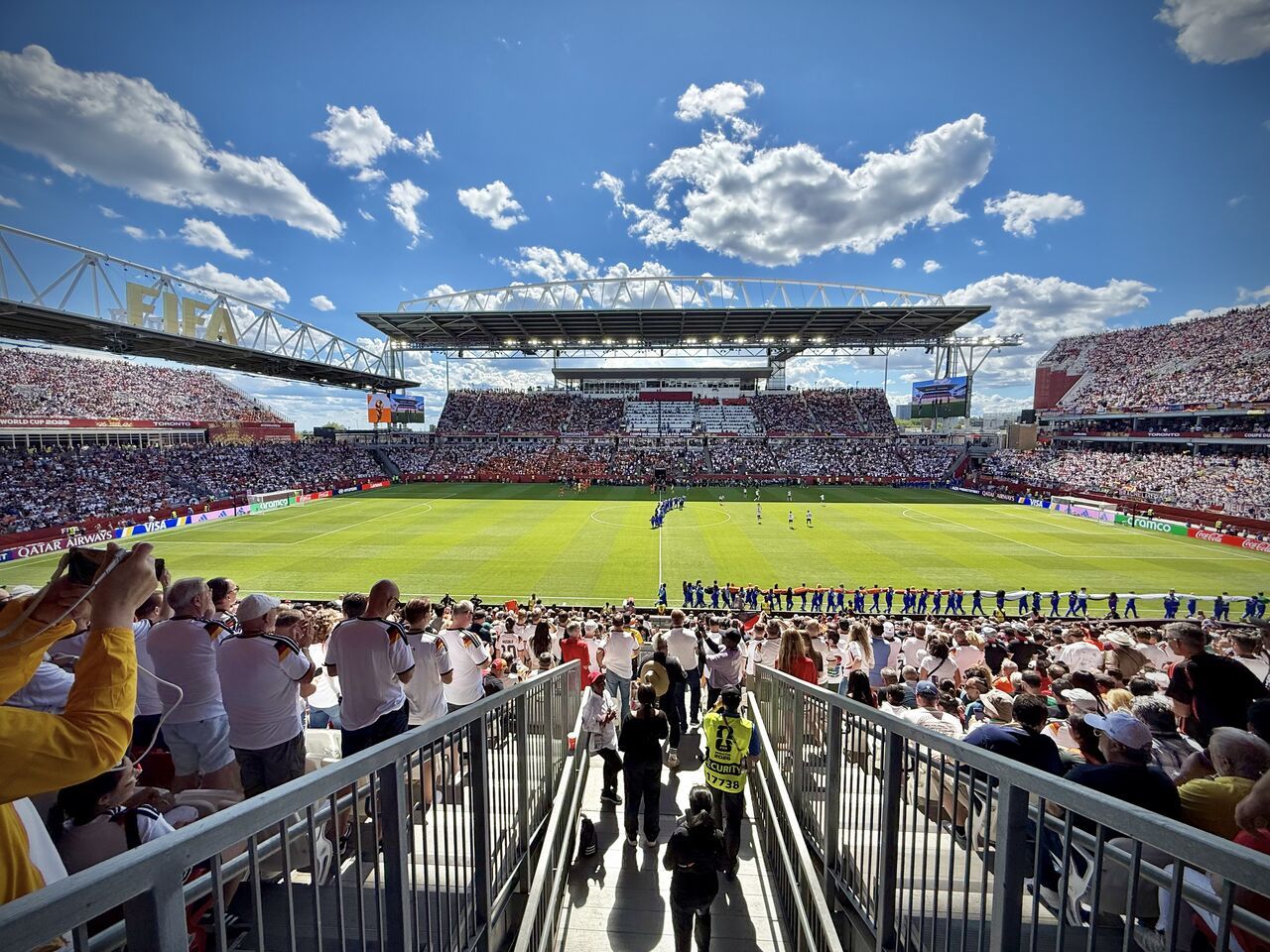
On the ground
Toronto Stadium, summer 2026

Book an appointment